Editorial draft
IN SHORT
- Marks left after a blemish fade on their own, but slowly — often over several months.
- Daily sunscreen matters more than any brightening serum.
- Picking makes marks deeper and longer-lasting.
What you are looking at
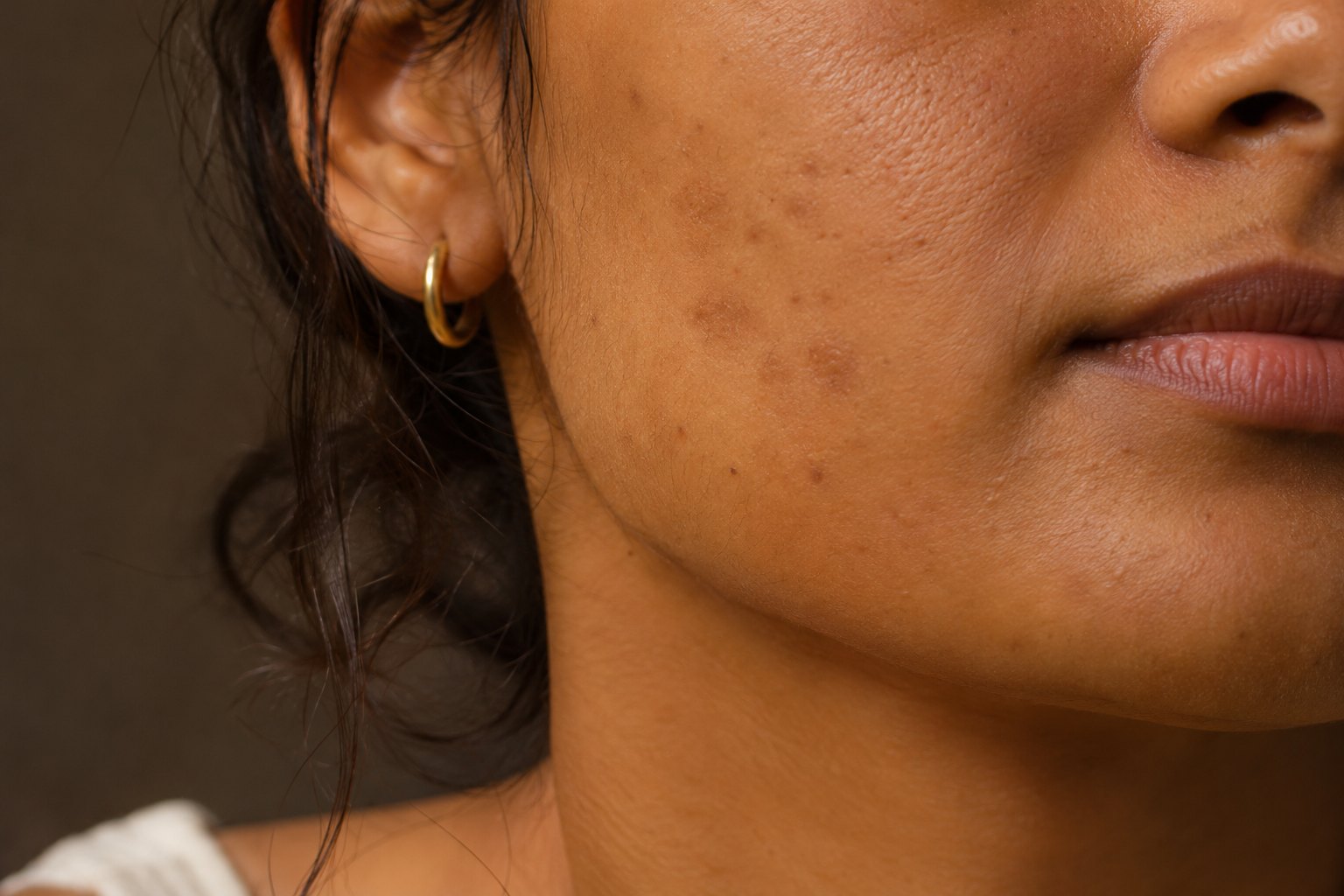
After a blemish settles, skin often leaves a flat mark behind — brown or grey on deeper skin tones, pink or red on lighter ones. It is not a scar; the surface is smooth. It is leftover colour, and it tends to be more visible and longer-lasting on medium to deep skin tones, which describes most Indian skin.
Why sunscreen comes first
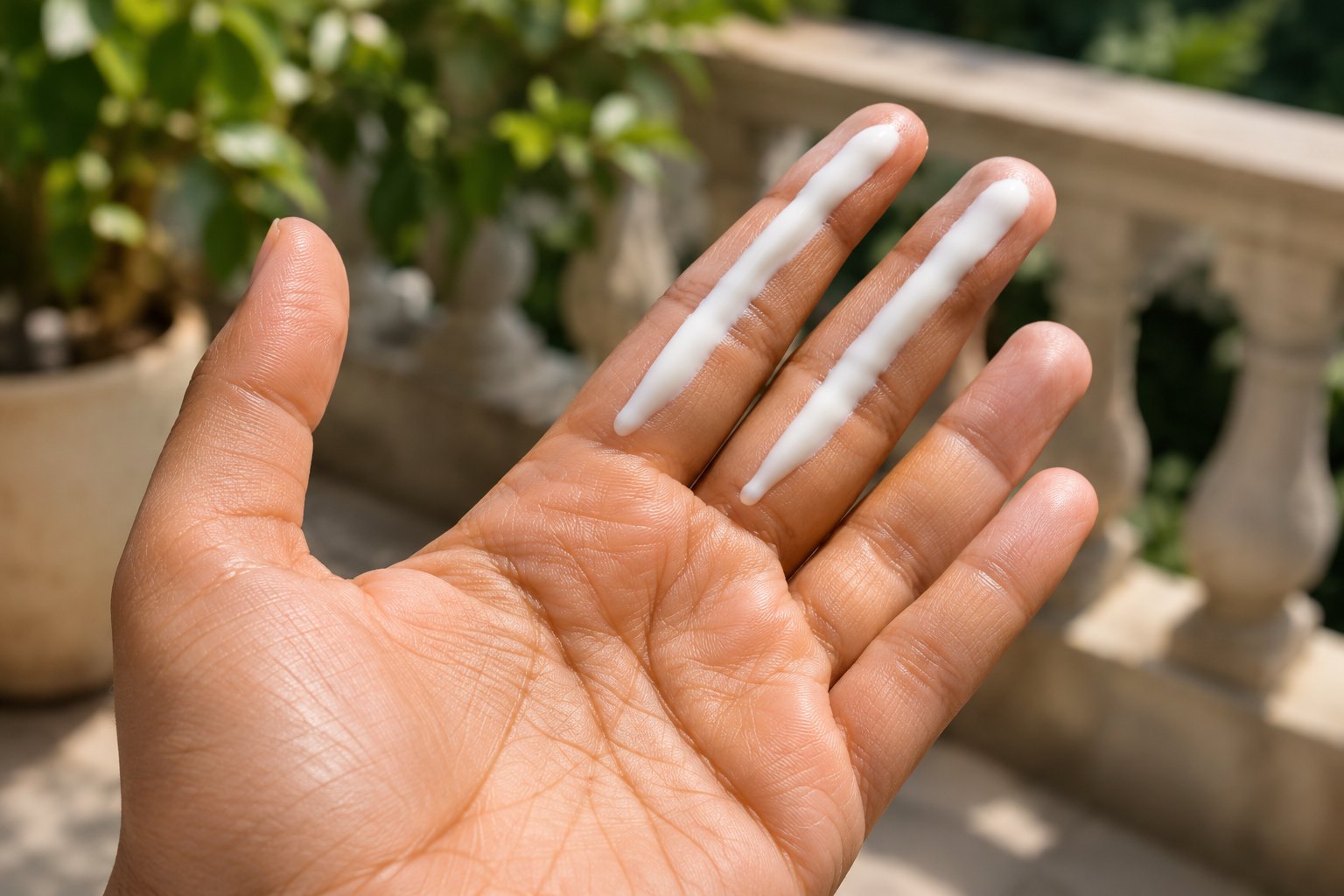
Sun exposure makes existing marks look darker and keeps them visible for longer. A brightening serum used without daily sunscreen is working against the sun every day and usually losing.
Use a broad-spectrum SPF 30 or higher each morning, including on cloudy days and indoors near windows.
What to add, and how patiently
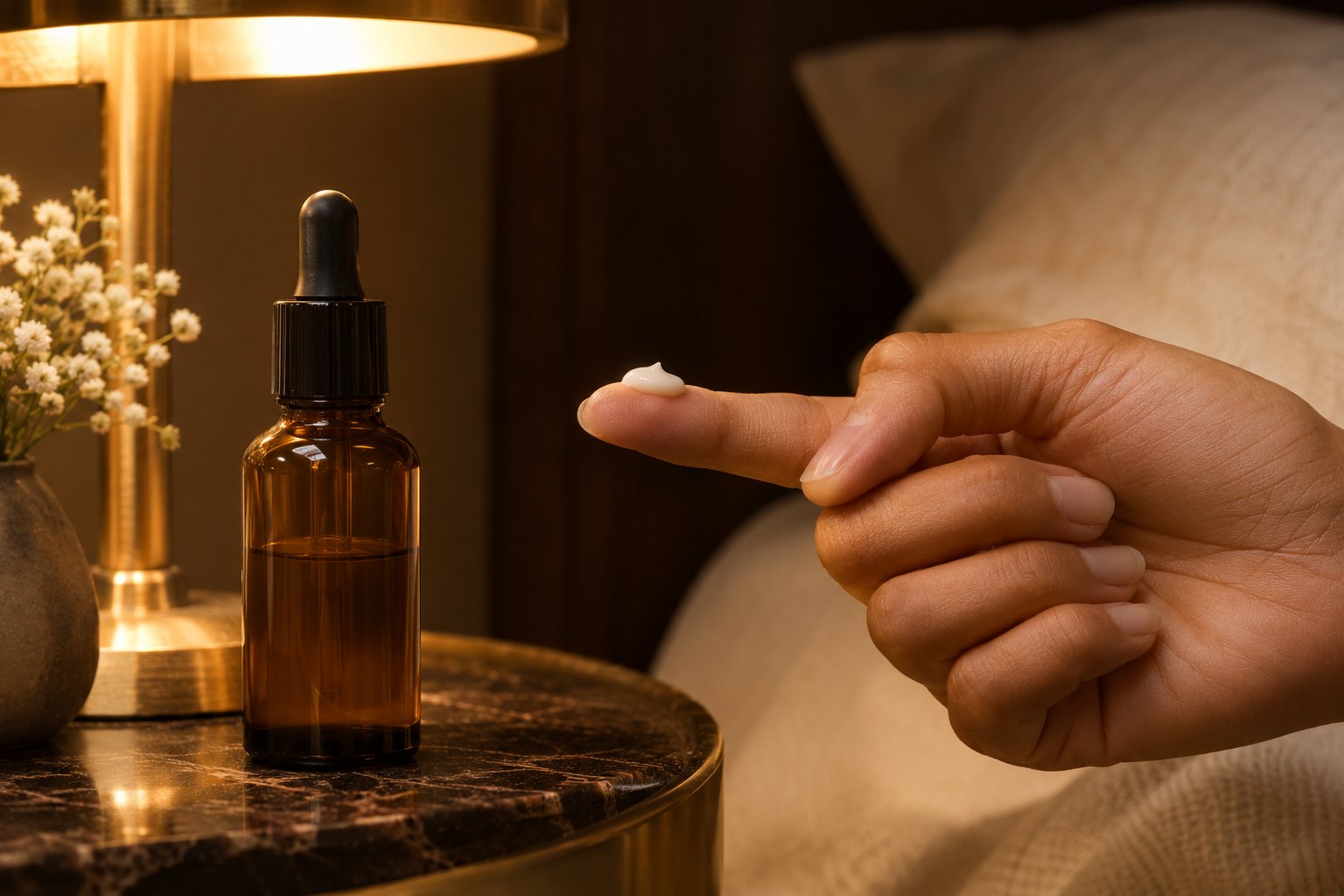
Niacinamide, alpha-arbutin and azelaic acid are the common cosmetic options for the look of uneven tone. Pick one. Use it consistently for eight to twelve weeks before judging it — marks change slowly, and switching products every fortnight tells you nothing.
Take a photo in the same light once a month. Day-to-day you will not see the change.
When to see a dermatologist
If marks are spreading, if you have patches with no blemish history, or if breakouts keep producing new marks faster than old ones fade, see a dermatologist. Getting the breakouts under control is the real fix.
INGREDIENTS IN THIS ARTICLE
SHOP BY CONCERN
STILL UNSURE?
Ask the community and our experts.
Cosmetic guidance only. This article describes how skin can look and feel; it does not diagnose or treat any condition. For persistent or worsening skin concerns, see a dermatologist.