Editorial draft
IN SHORT
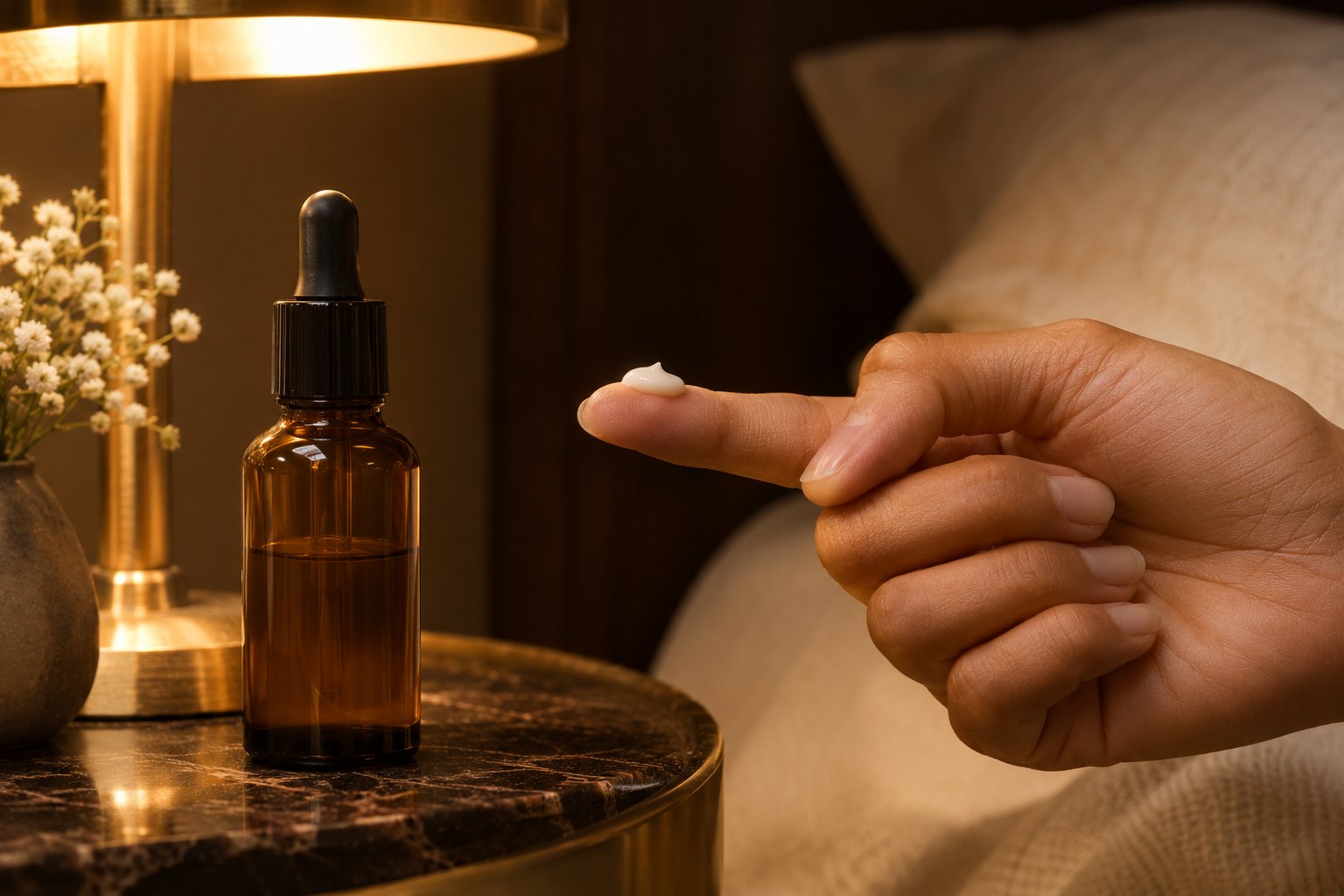
- Start low and slow: twice a week, at night, on dry skin.
- Mild dryness and flaking in the first weeks is common and usually settles.
- Burning, swelling or a rash is a reason to stop.
Why skin reacts at first
Retinoids speed up how quickly the surface of the skin renews itself. Until skin adjusts, that can show as dryness, tightness and light flaking, usually in the first two to six weeks.
How to start
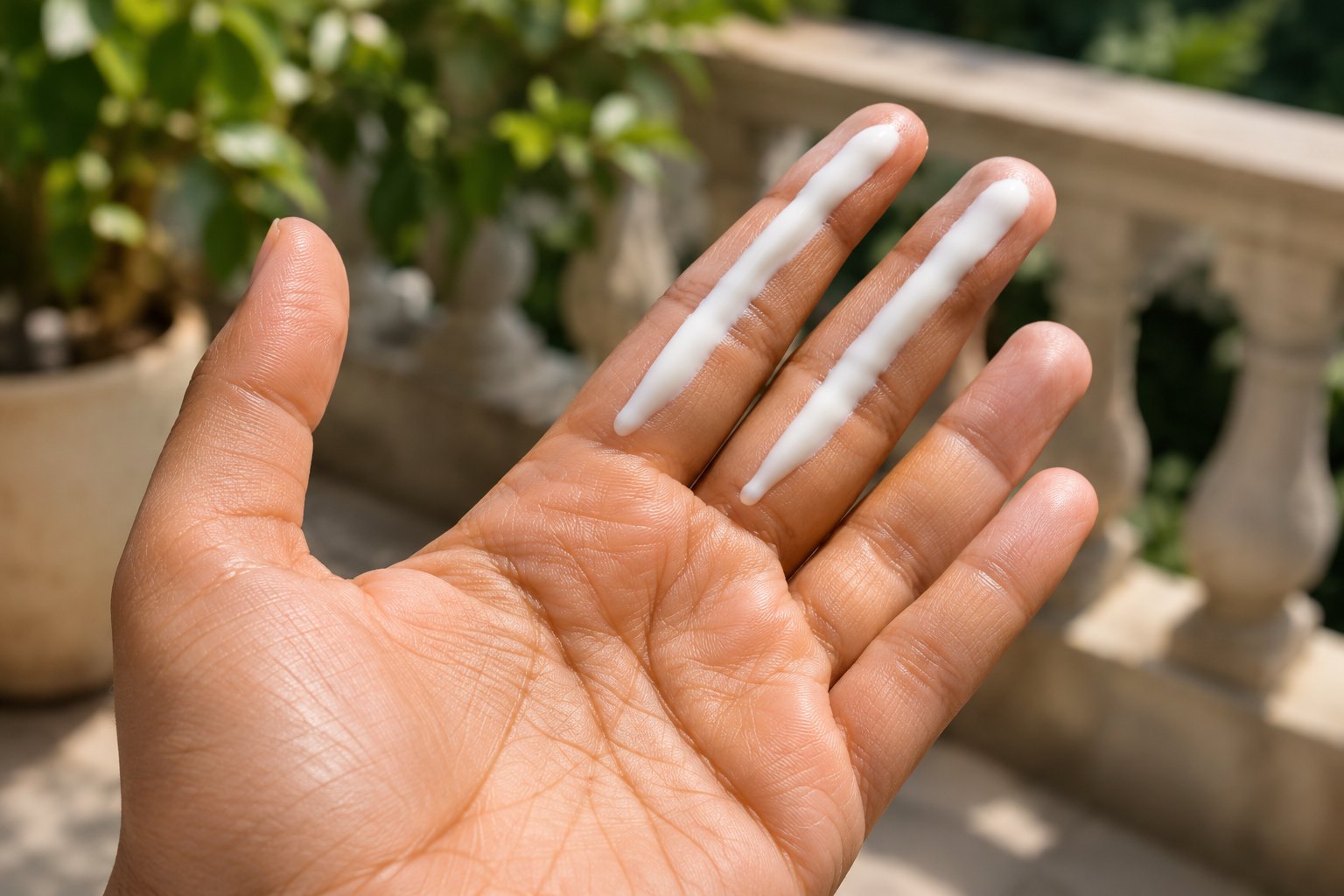
Use a pea-sized amount for the whole face, at night, on fully dry skin. Begin with two nights a week. After two or three comfortable weeks, move to every other night.
If skin feels tight, apply moisturiser first, then the retinoid, then moisturiser again. This buffering reduces dryness.
Keep the rest of the routine plain: gentle cleanser, moisturiser, sunscreen in the morning. No acids on retinoid nights.
Normal versus not
Common: light flaking around the nose and mouth, mild tightness, skin that feels a little more sensitive to other products.
Not normal: burning, swelling, a rash, cracked skin or discomfort that does not ease after a few days off. Stop and see a dermatologist.
Who should not use them
Retinoids are generally avoided during pregnancy and breastfeeding — check with your doctor. They also make daily sunscreen non-negotiable.
INGREDIENTS IN THIS ARTICLE
SHOP BY CONCERN
STILL UNSURE?
Ask the community and our experts.
Cosmetic guidance only. This article describes how skin can look and feel; it does not diagnose or treat any condition. For persistent or worsening skin concerns, see a dermatologist.